SnapTara Blog
What to Photograph When You Have No Ideas
When you have no ideas, do not go looking for a more interesting place. Give yourself a smaller one. Creative block is usually a problem of too many choices, not too few subjects: everything looks ordinary because nothing has been ruled out. The fix that works is a tight constraint. Pick one small spot, stay there, and let being stuck in one place force you to actually look at it.
The idea
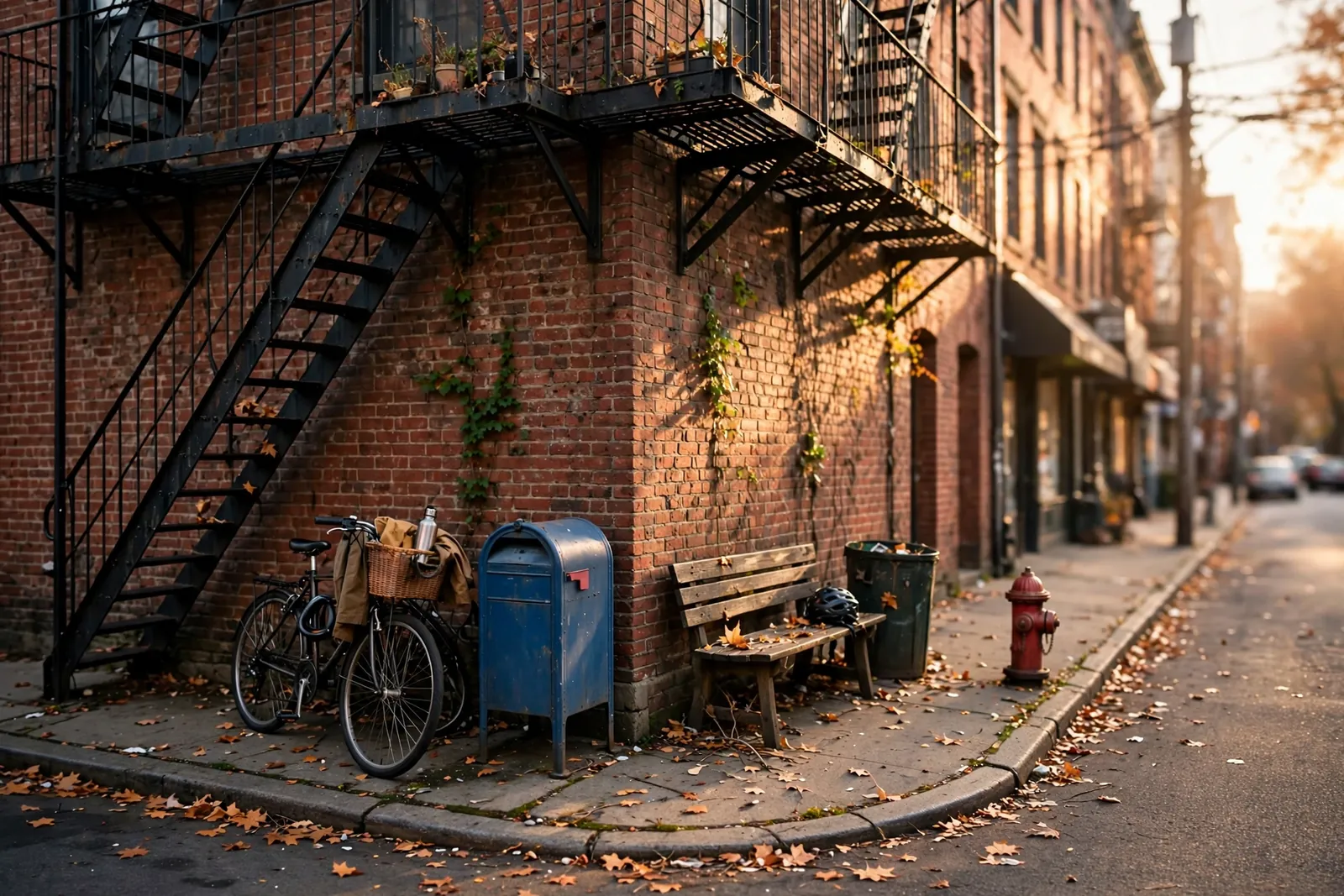
Today, choose one street corner (an intersection, a bus stop, the corner outside a café, any corner you can reach in ten minutes) and work only that corner for 30 to 45 minutes. You may move around the corner itself, cross to its four sides, crouch, and wait, but you may not wander off in search of something better. Set yourself a target of ten frames you would keep. The first few minutes will feel empty, and that feeling is the exercise working: once the obvious shots are gone, you start noticing light on a wall, a repeated shape, hands, signs, shadows, and the small theatre of people passing through the same frame again and again. One short prompt sums up the whole method: stay until it gets interesting.
How to capture it
Where and when
Almost any corner works, but a corner with a reason for people to pause is easier: a crosswalk signal, a shop entrance, a transit stop, a patch of sun that cuts across the pavement. Go when the light has some direction to it (morning or late afternoon) because a corner in flat midday light gives you far less to work with. Overcast days are fine too; soft light is kind to colour and detail, and a grey day pushes you toward shapes and moments instead of pretty light. Arrive, put your bag down, and spend the first five minutes just watching without shooting. Note where the light lands, where people bunch up, and what keeps repeating. That watching is not wasted time. It is how you choose your spot.
Settings
On a phone, keep it simple and fast: use the main 1x lens for the wide establishing frames and the 2x lens, if you have one, to isolate details and people without crowding them. Turn on burst mode for crossings and other moving moments, and tap to focus, then slide exposure down slightly when a bright patch of sun is your stage. A slightly darker frame usually holds the highlight detail that makes the shot. On a camera, aperture priority around f/5.6 to f/8 keeps a corner scene mostly sharp, a shutter speed of at least 1/250 freezes people mid stride, and auto ISO saves you from chasing settings while moments pass. If your corner has a clean background and a shaft of light, try spot metering on the lit area: passers by will pop against darker surroundings, and you can pre focus on that spot and simply wait for someone to walk into it.
Composition
Start wide and earn your way in. Take the honest establishing shot of the whole corner first, then refuse to leave until you have worked the same scene at three distances: wide, medium, and close enough that the corner is no longer recognisable. Use the corner's own furniture (a pole, a sign edge, a window frame) as a foreground element to shoot past, which adds depth even in a tiny space. Watch the edges of your frame for repeating lines: kerbs, railings, and crosswalk stripes all lead the eye somewhere, so point them at your subject. When a person enters, shoot through the moment rather than at its start; the middle of a stride, a gesture, or a glance is almost always stronger than someone standing still deciding where to go.
Mistakes to avoid
- Leaving after five minutes because the corner looks boring. Boring is the starting condition, not the verdict. The good frames on a single corner almost always come after the obvious ones are exhausted.
- Shooting everything from standing height at the same distance. If all ten frames could be swapped for each other, you have photographed a location, not explored it. Crouch, step closer, and turn around.
- Chasing every passer by. Frantic shooting fills a card and empties your attention. Pick a background and a patch of light, settle, and let the corner bring the subjects to you.
Variations to try
- One lens, one hour: repeat the exercise with a single focal length only (no zooming, no lens swaps) and move your feet instead. The restriction sharpens your eye for position.
- Same corner, different hour: photograph your corner once in the morning and again at dusk on the same day, then compare. Same place, two completely different sets of pictures.
- Ten frames, no reviewing: limit yourself to ten frames total and do not look at them until you get home. Scarcity makes every press of the shutter a decision.
If working one corner hooks you, the 30-Day Street Photography Challenge on the homepage builds exactly this muscle: one street prompt a day for a month, most of them shootable within a few blocks of your front door.
Want another idea like this one? The free SnapTara generator on the homepage hands you a fresh photography prompt in seconds, drawn from more than a thousand hand written assignments, and its themed Challenges turn a single idea into a week or a month of shooting.
Get a photography promptRelated posts
- How to Photograph Reflections in Puddles and Windows
- More photography ideas and shooting tips on the SnapTara blog: a new post lands every Tuesday and Friday