SnapTara Blog
Photograph Hands: Telling a Story Without Faces
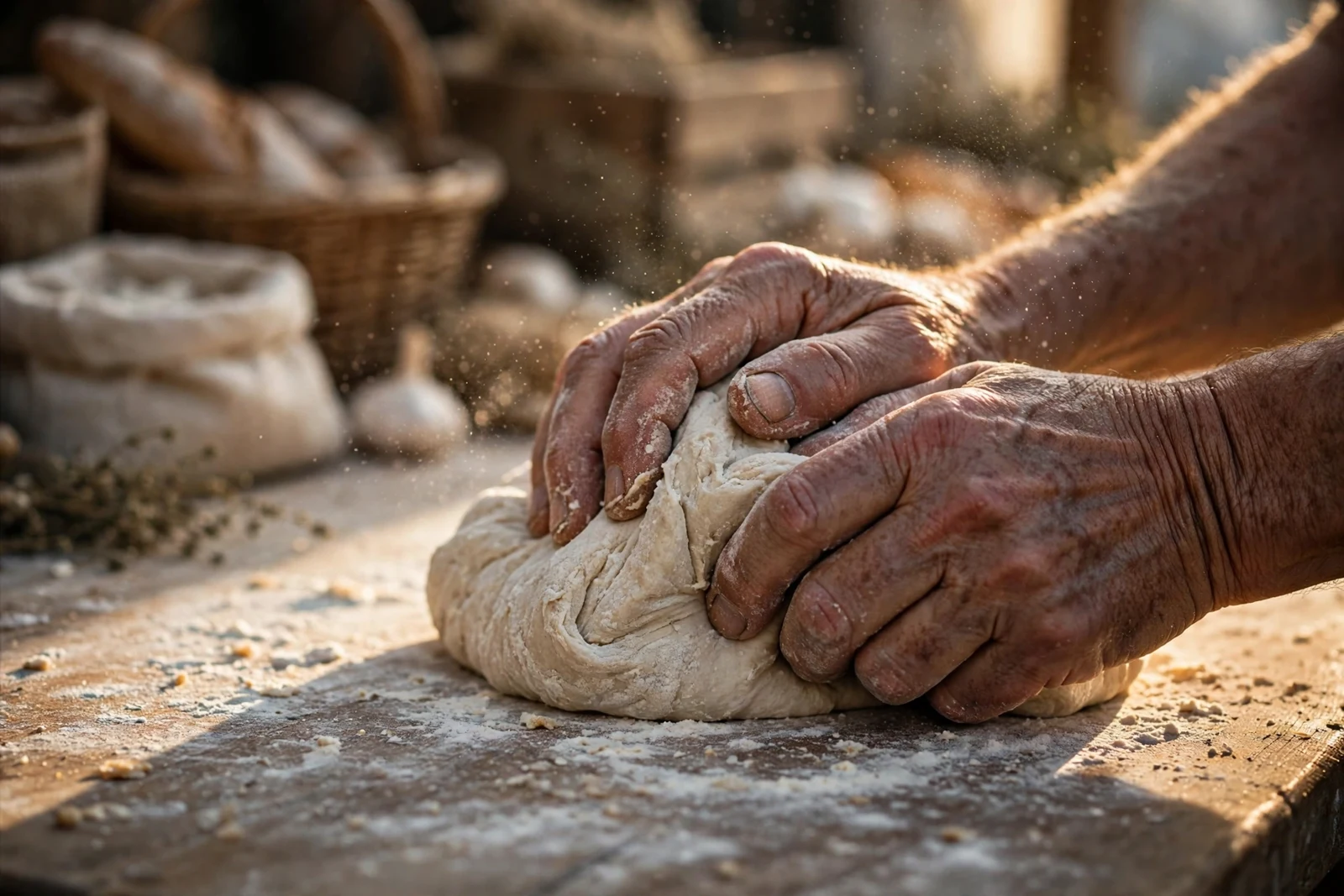
You can tell a complete story without showing a face at all. Hands show work, skill, age and care in a single frame, and they let a person stay private while the action stays clear. This weekend, photograph hands while they make, fix, carry or share something, and let the task in the frame do the talking.
The idea
Go where hands are busy. A market stall, a bakery counter, a kitchen table, a garden or a small workshop all give you real work to watch. Ask first, explain that you want to photograph only hands and the work they do, and stay with one task from start to finish. Photograph the hands as they reach, hold, cut, knead, pour, tie or sort, and shoot the tools and the materials beside them as part of the story. One short prompt sums up the shoot: photograph only hands at work for one hour. That single limit helps in two ways. It gives strangers a clear and private way to say yes, because no face will appear, and it forces you to watch hands closely instead of waiting for a portrait that may never feel right.
How to capture it
Where and when
Start in a place where the work repeats, so you can miss a moment and still catch the next one. A cook shaping dough, a vendor packing bags, a gardener tying plants and a maker sanding wood all repeat the same moves many times in an hour. Morning and late afternoon light works best near a window, a stall opening or a door, because low light comes from one side and shows skin texture, flour, soil or wood grain. At midday, move into open shade where the light stays soft and even. Stand where you can see the hands and the surface they work on without getting in the way, and give the person room to work as they normally would. A real task looks better than a posed one, so let the work lead and take your pictures around it.
Settings
On a phone, use the main lens and move closer instead of using zoom, because close detail is the whole point here. Tap the hands to focus, then slide exposure down a little if bright skin, pale dough or a light counter loses detail. Turn flash off, turn the grid on, and use burst mode for fast moments such as a pour, a cut or hands passing an object to someone else. Lock focus when the hands stay at one distance, then shoot through the whole task without checking every frame. On a camera, use aperture priority at f/2.8 to f/4 if you want the background to fall soft, or f/5.6 to f/8 if you want the tools and the surface to stay clear as well. Keep shutter speed at 1/250 or faster for moving hands, raise ISO as needed to hold that speed, and use continuous autofocus with a small focus area placed right on the hands. If the hands stay in one place, a single focus point is calmer and often more accurate.
Composition
Fill the frame with the hands and the task, and cut faces out on purpose rather than by accident. Place the hands off centre, leave the tool or the finished item near an edge, and let the work surface lead the eye from one hand to the other. Shoot from the side for shape and shadow, from above for pattern and order, and at surface level for a strong sense of depth. Include one wider frame that shows the stall, the table or the bench without a face, so a viewer can place the work in the world. Then go closer still for texture. Skin, sleeves, rings, flour, soil, paint or worn wood all carry clues about the person and the life they lead. Wait for the moment when both hands work together, because a pair of hands in action reads as a story, while one hand resting on a table often reads as a detail with no plot.
Mistakes to avoid
- Asking after you shoot. Hands feel personal, even when a face is out of frame. Ask first, show the person a frame if they want to see it, and accept a no at once and without argument.
- Cutting off fingers at the edge of the frame. A cropped finger looks like an accident unless the crop is bold and clear. Check all four edges before you press the shutter, and leave a small margin around the hands when the action is fast.
- Shooting only the finished object. A loaf, a tied plant or a packed bag shows the result, but the story lives in the making. Stay for the messy middle of the task, where the hands press, shape, fix and adjust.
Variations to try
- Two people, one task: photograph the same task done by two people, such as a child and a grandparent making food side by side. Keep faces out of both sets of frames and let the size, speed and care in the hands carry the contrast.
- Tools as the second subject: give the tools the same attention as the hands. Shoot the knife, the trowel, the brush or the needle in the hands, at rest on the surface, and worn from use, then pair one tool frame with one action frame.
- One task in three frames: pick a single task and tell it in 2 to 3 variations of the same moment, or in three frames that show the start, the middle and the finish. The hands and the surface stay the same, and the change in the work tells the story.
If telling a story about a real person hooks you, the Documentary Deep Dive Challenge on the homepage builds exactly this habit: two weeks of prompts about real people in your community, and hands are an honest and gentle way to begin.
Want another idea like this one? The free SnapTara generator on the homepage hands you a fresh photography prompt in seconds, drawn from more than a thousand hand written assignments, and its themed Challenges turn a single idea into a week or a month of shooting.
Get a photography prompt